Dengue Outbreak 2025 - 2026
Information and FAQs
Cook Islands Declared Dengue Free
Monday 25 May 2026, the Secretary of Health officially declared the Cook Islands dengue free after 26 days with no recorded positive dengue cases since 28 April 2026. This meets the international standard of two incubation periods without a reported case.
Te Marae Ora and the Cook Islands Government acknowledged the collective efforts of the people of the Cook Islands, government agencies, Pa Enua communities, NGOs, private sector organisations, and partners who contributed to successfully eliminating the outbreak.
Since the outbreak was declared in May 2025, a total of 1,251 dengue cases were recorded, with 1,250 recoveries and one dengue-related death. TMO is encouraging the public to continue keeping properties free of mosquito breeding sites while ongoing surveillance and the Tutaka Programme continue to protect the country’s dengue free status.
On 22 May 2025 Te Marae Ora (TMO) – Ministry of Health officially declared a dengue fever outbreak in Rarotonga.
TMO continues to manage the current dengue situation effectively with:
-
- Vector control measures
- For all identified cases, peri focal and block spraying is carried out around their household.
- Public awareness campaigns, focusing on eliminating mosquito breeding sites and recognising dengue symptoms early.
- Enhanced surveillance, with daily case monitoring and timely laboratory confirmation.
-
What is Dengue?
Dengue is a viral illness spread by Aedes mosquitoes, mainly Aedes aegypti and Aedes albopictus. These mosquitoes are active during the daytime, especially early morning and late afternoon. Dengue is common in tropical and subtropical regions, including the Pacific.
There are four dengue virus types (DENV-1 to DENV-4). A person can be infected more than once. A second infection with a different type can increase the risk of severe illness.
How Dengue Spreads
- Dengue spreads only through the bite of an infected mosquito
- It does not spread person to person
- Mosquitoes breed in standing water around homes and communities
Symptoms
Most people with dengue have mild or no symptoms and will get better in 1–2 weeks. Rarely, dengue can be severe and lead to death.
If symptoms occur, they usually begin 4–10 days after infection and last for 2–7 days. Symptoms may include:
- high fever (40°C/104°F)
- severe headache
- pain behind the eyes
- muscle and joint pains
- nausea
- vomiting
- swollen glands
- rash.
Individuals who are infected for the second time are at greater risk of severe dengue. The symptoms of severe dengue often come after the fever has gone away and may include:
- severe abdominal pain
- persistent vomiting
- rapid breathing
- bleeding gums or nose
- fatigue
- restlessness
- blood in vomit or stool
- being very thirsty
- pale and cold skin
- feeling weak.
People with these severe symptoms should seek care immediately.
After recovery, people who have had dengue may experience fatigue for several weeks.
Updated as at: 1pm, 16 February 2026
Situation Report #84
Active Cases
92
Currently confirmed with dengue
Suspected Cases
347
Showing symptoms, not yet confirmed
Recovered Cases
632
Recovered from dengue
Related Deaths
1
Dengue related death
Total Cases
1,072
Since 22 May 2025
If you suspect you or a family member may have dengue, seek medical advice immediately. For more details, please contact: Public Health Office:
+682 29110 | Tupapa Primary Health Care: +682 20065 or +682 20066 | Rarotonga Hospital: +682 22664 (after hours)
Operation Namu 2025
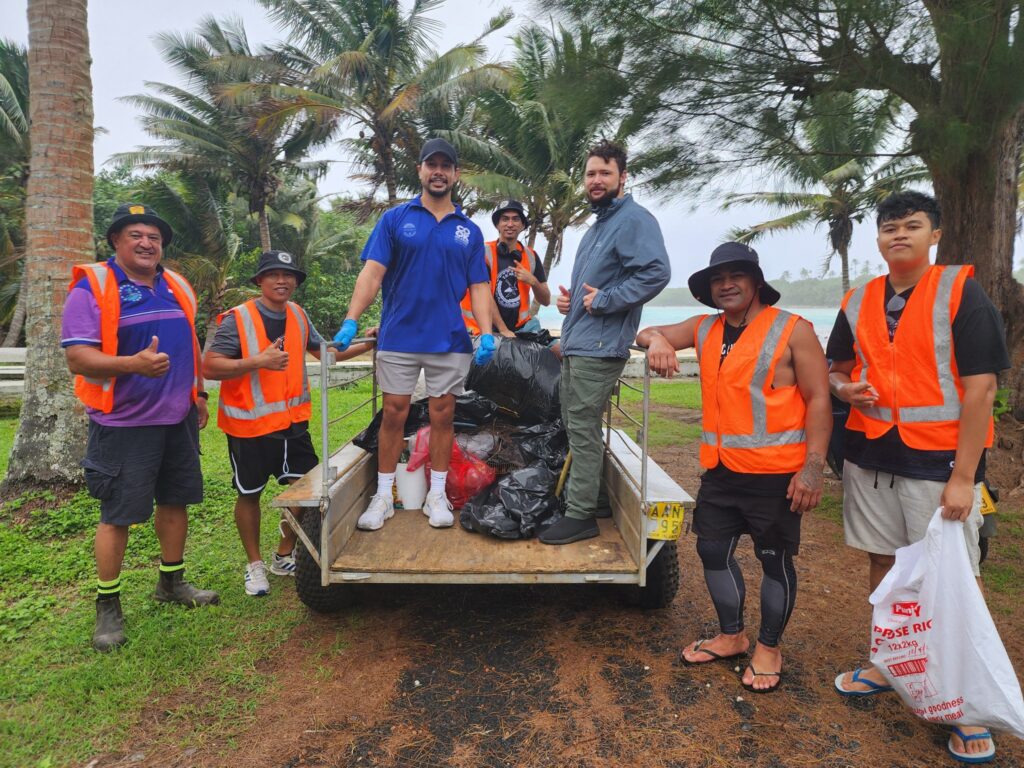
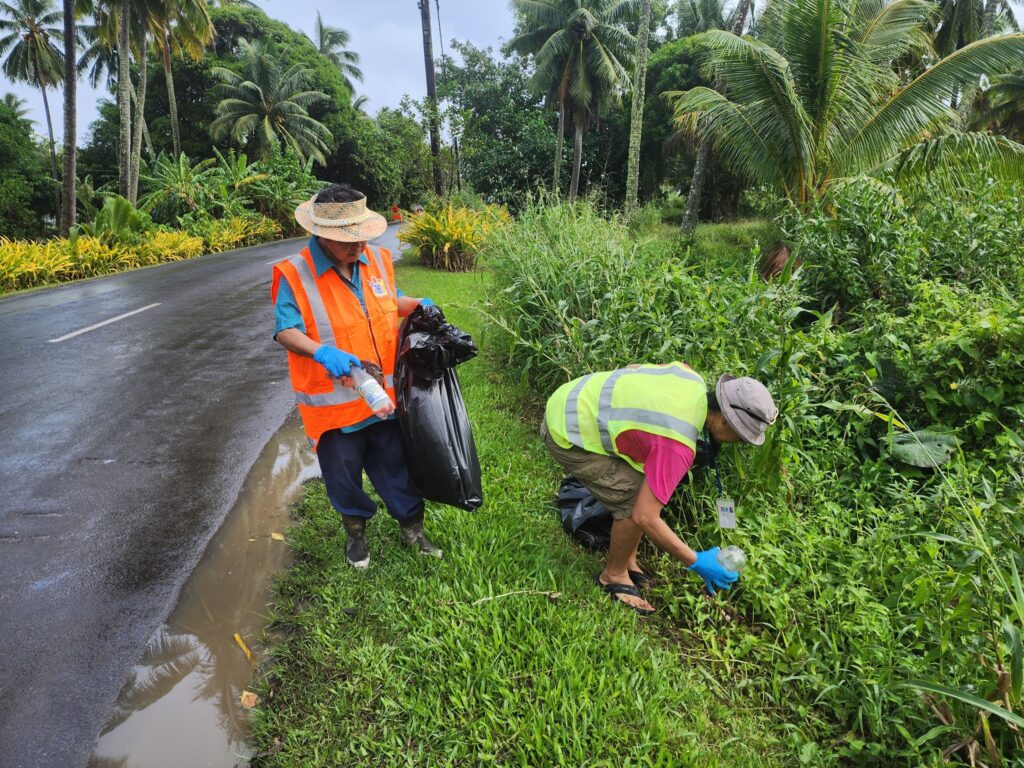
Operation Namu was implemented as a key vector control response to the dengue situation affecting Rarotonga. On 23 May 2025, an island-wide clean-up was carried out under Operation Namu, with 190 participants registered from both government and private sector organisations. The activity focused on removing potential mosquito breeding sites and reducing environmental risks associated with dengue transmission.
For all confirmed dengue cases, peri-focal and block spraying was conducted around affected households as part of Operation Namu to suppress mosquito populations and prevent further spread. Additional environmental management actions were undertaken and planned, including slashing and clearing of streams, to further reduce mosquito habitats across the community.
FAQs
What is dengue?
Dengue is a viral illness spread by the bite of an infected Aedes mosquito. These mosquitoes usually bite during the daytime, especially in the early morning and late afternoon.
How is dengue spread?
Dengue is not spread from person to person. It is spread when a mosquito bites a person who has dengue and then bites another person
What are the symptoms of dengue?
Common symptoms include:
- Sudden high fever
- Severe headache
- Pain behind the eyes
- Muscle and joint pain
- Nausea or vomiting
- Skin rash
- Extreme tiredness
Symptoms usually appear 4–10 days after a mosquito bite.
When should I seek medical care?
Seek medical care immediately if you or a family member experience:
- Persistent vomiting
- Severe abdominal pain
- Bleeding from gums or nose
- Blood in vomit or stool
- Extreme weakness or drowsiness
These may be signs of severe dengue, which can be life-threatening.
How long does dengue last?
Most people recover within 1–2 weeks, but fatigue may last longer. Early medical care reduces the risk of complications.
How can I protect myself and my family?
You can reduce your risk by:
- Using mosquito repellent
- Wearing long-sleeved clothing
- Using mosquito nets or screens
- Keeping doors and windows closed where possible
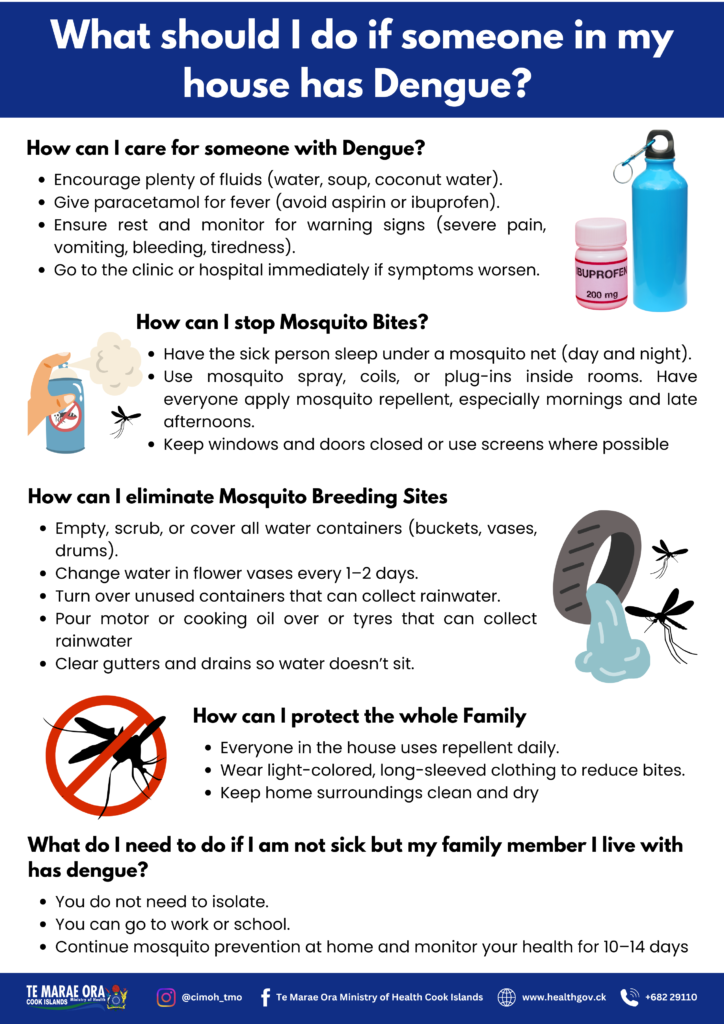
How can I help stop the spread of dengue?
Eliminate mosquito breeding sites by:
- Emptying or covering containers that hold water
- Clearing gutters and drains
- Properly disposing of rubbish
- Participating in community clean-up activities such as Operation Namu
Mosquitoes breed in clean, still water, even in small amounts.
If someone in my household has dengue, what should we do?
- Prevent mosquitoes from biting the sick person
- Use repellents, nets, and screens
- Follow public health advice on spraying and cleaning
This helps stop mosquitoes from spreading dengue to others.
Can dengue be prevented?
The best prevention is mosquito control and personal protection. Community action is critical to reduce breeding sites and protect everyone.
What are important contacts I should know?
If you suspect you or a family member may have dengue, seek medical advice immediately. For more details, please contact:
- Public Health Office: +682 29110
- Tupapa Primary Health Care: +682 20065 or +682 20066
- Rarotonga Hospital: +682 22664 (after hours)
- Email: tmo.helpdesk@cookislands.gov.ck